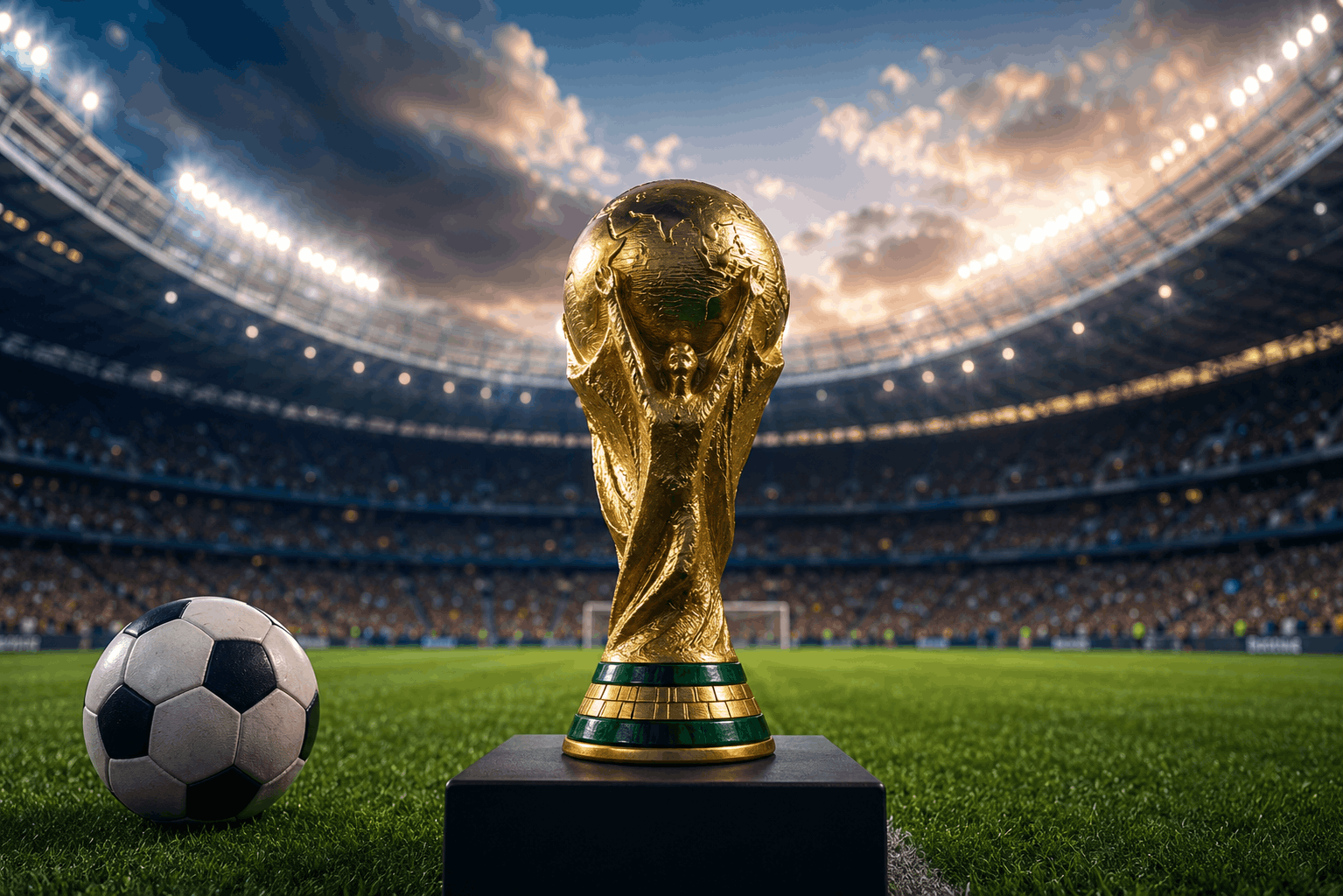
World Cup Playoff History and Purpose
The third-place playoff has been part of the FIFA World Cup for decades. Its purpose is simple. It determines which losing semi-finalist finishes third and earns the bronze medal.
First, the match completes the official tournament standings. Every position from first to fourth is decided on the pitch instead of through rankings alone.
Next, the fixture provides another international event before the World Cup final. Millions of supporters continue watching the tournament, giving broadcasters and sponsors another high-profile game.
Finally, teams receive additional prize money and FIFA ranking points based on where they finish. While lifting the World Cup remains the ultimate goal, finishing third still offers financial and sporting benefits.
Why the World Cup Playoff Faces Growing Criticism
Although the fixture has a long history, criticism has increased during recent tournaments.
England and France both entered the competition hoping to win the World Cup. Instead, they now face each other only days after painful semi-final defeats. Many players admit recovering mentally in such a short period is extremely difficult.
Critics argue the match often feels like a reminder of disappointment rather than an opportunity for success. By the time the fixture arrives, many players are emotionally exhausted after weeks of intense competition.
In addition, clubs worry about injury risks. Many international players return directly to pre-season preparations after the tournament. Another competitive match increases the chance of fatigue before domestic campaigns begin.
Several former players have suggested that both losing semi-finalists should simply share third place. They believe modern football calendars leave little room for matches that many consider unnecessary.
Why the World Cup Playoff Still Matters
Despite the criticism, the third-place game remains important for several reasons.
One major attraction is the Golden Boot race. Every goal scored in the playoff counts toward the tournament’s top scorer award. Players chasing the Golden Boot still have one final chance to improve their tally.
The match also affects FIFA world rankings. Every competitive international fixture contributes valuable ranking points, which influence future tournament seedings.
National pride is another motivation. Players may miss out on the World Cup final, but representing their country remains a significant honour. Many teams still want to leave the tournament with a victory.
Winning the bronze medal also creates a positive ending after a difficult semi-final loss. For younger squads, finishing third can build confidence before future international competitions.
England and France Enter the World Cup Playoff
England arrived in the tournament hoping to lift their first World Cup since 1966. Their semi-final defeat ended those dreams, but the squad still has an opportunity to finish on a positive note.
France experienced a similar disappointment after falling short against Spain. Their experienced squad knows how quickly emotions can change during international football.
Both managers now face difficult decisions. Should they field their strongest teams or rotate players who have had limited minutes throughout the tournament? That choice could influence both the quality of the match and the physical condition of key players.
Young footballers may receive valuable experience, while established stars could be rested after a demanding schedule.
Financial Benefits Behind the World Cup Playoff
One reason FIFA is unlikely to remove the fixture is its commercial value.
The third-place match attracts millions of viewers worldwide. Television broadcasters continue generating strong audiences before the World Cup final, making the game valuable for advertising partners.
Sponsors also benefit from another global event. Stadium attendance remains strong, and international audiences continue following the tournament until its conclusion.
In addition, prize money differs between third and fourth place. National football associations receive larger financial rewards for securing the bronze medal, helping support future development programmes.
These commercial and sporting advantages explain why FIFA has continued scheduling the match despite growing criticism.
Could the World Cup Playoff Disappear?
Football has changed significantly over the past decade.
The 2026 World Cup expanded to 48 teams, increasing the number of matches and creating an even busier calendar. Clubs and national teams are becoming increasingly concerned about player workload.
Because of this, many football experts believe FIFA will eventually review every part of the tournament schedule. The third-place fixture is one of the most frequently discussed matches.
Some have proposed awarding both losing semi-finalists joint bronze medals. Others suggest replacing the playoff with recognition based solely on tournament performance.
However, many supporters still believe every final position should be decided on the field. They argue that removing the fixture would eliminate an important part of World Cup tradition.
At present, FIFA has shown no indication that it plans to remove the third-place playoff from future tournaments.
What the Future Holds for the World Cup Playoff
The debate surrounding the third-place match is unlikely to disappear soon.
Supporters appreciate the opportunity to watch two elite football nations compete one final time. The game also provides valuable ranking points, prize money, and individual awards.
Critics, however, believe player welfare should come first. As football schedules continue expanding, every additional match becomes more difficult to justify.
Whether FIFA decides to keep or remove the fixture in future tournaments will depend on balancing tradition, commercial interests, and player wellbeing.
Final Thoughts on the World Cup Playoff
The World Cup Playoff remains one of the most debated fixtures in international football. England and France will compete for third place, but the discussion surrounding the match may attract almost as much attention as the game itself.
For some, the playoff is an important tradition that rewards achievement. For others, it has become an unnecessary fixture in an already demanding football calendar. Until FIFA announces any changes, the bronze medal match will continue to divide opinion whenever the World Cup reaches its closing stages.